













Search
Search Results: 428 Matches found

Articles (169)

 
$ 1.95   |    May 2013

Fried, sweet and salty foods linked to added risk in US’ “Stroke Belt.”…

Buy>>

$ 1.95   |    April 2013

Good news on coffee, bad for diet drinks. But other factors could be at work.…

Buy>>

$ 1.95   |    March 2013

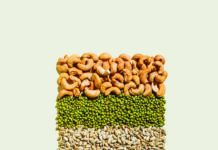
Trendy seeds high in plant omega-3s, but health benefits remain unproven.…

Buy>>

February 2013

Diet and lifestyle changes can improve your painful symptoms.…

Read>>

$ 1.95   |    February 2013

Celebrate American Heart Month by taking these simple steps for heart health.…

Buy>>

$ 1.95   |    January 2013

Increasing your ratio of omega-3s to omega-6 fats may slow aging at the cellular level.…

Buy>>

$ 1.95   |    December 2012

Even well into your “golden years,” exercise can extend your life—and the greatest benefits come just from getting…

Buy>>

December 2012

Staying healthy and maintaining a normal weight may be good not only for your body but also for your…

Read>>

September 2012

Does a small study comparing three different diets disprove the long-held belief that all calories are…

Read>>

$ 1.95   |    August 2012

Pumping iron might be good for your aging brain as well as your muscles, according to a new study of older…

Buy>>

$ 1.95   |    July 2012

Forget those images of bonbon-eating overweight people: A new study finds that regular chocolate eaters may actually be thinner than…

Buy>>

July 2012

If you’ve been following what experts have been saying about weight loss lately, you might be tempted to just throw up…

Read>>

$ 1.95   |    July 2012

Those berries adorning your breakfast cereal or topping your yogurt may be doing more than merely adding fruity flavor to your day…

Buy>>

July 2012

People who met more of seven recommended cardiovascular health factors were less likely to die of all causes and…

Read>>

June 2012

Tufts researchers have identified a surprising factor in diabetes risk that might help keep people with pre-diabetes from…

Read>>

12345678910...

NewsBites (81)

 
March 2013

If you want to shed fat pounds and gain lean tissue, carry your weights as you hit the road. …

Read>>

February 2013

Americans seem to have gotten the message about avoiding added sugars,…

Read>>

February 2013

What’s your ideal weight? As Americans get fatter, their answer is packing on the pounds, too.…

Read>>

February 2013

Don’t count on sea salt to reduce your dietary sodium intake.…

Read>>

January 2013

Claims on weight-loss and immune-system supplements are frequently lacking in evidence and in violation…

Read>>

December 2012

Is it possible to be fat but still fit? The largest study ever to examine the "obesity paradox"— analyzing data on more than 43,000…

Read>>

September 2012

Australian scientists have added to the evidence that high-intensity exercise…

Read>>

August 2012

Consumers are switching their worries from fats to sugar as the dietary ingredient…

Read>>

August 2012

Does eating a healthy diet really cost more than picking foods high in saturated fat…

Read>>

July 2012

Despite our ever-widening waistlines, Americans are making progress on at least one front in the war on…

Read>>

May 2012

If you’re worried about fructose making you fat, a new Canadian review of more than 40 studies…

Read>>

April 2012

That spicy kick from your favorite fiery chili may also be kick-starting…

Read>>

April 2012

Is your doctor overweight? The answer may make a difference to your own weight issues…

Read>>

Febuary 2012

Diet” is out and “zero” is in, according to the market-research firm Datamonitor…

Read>>

November 2011

The urgency of cutting calories (however many it takes) was underscored by another new report…

Read>>

123456

Special Reports (68)

 
$ 1.95   |    April 2013

Plus new research shows tea effective against some cancers and risk of functional disability.…

Buy>>

$ 1.95   |    March 2013

Making sense of multivitamins’ cancer-prevention promise, heart-disease disappointment in recent findings.…

Buy>>

$ 1.95   |    October 2012

With questions being raised about supplements, it’s time to take a fresh look at getting enough calcium from your diet.

Calcium is not only the most abundant mineral in the human body, it’s also the one Americans spend the most getting more…

Buy>>

$ 1.95   |    August 2012

Here at the Tufts Health & Nutrition Letter, we’re constantly scouring the scientific literature for new findings…

Buy>>

$ 1.95   |    April 2012

Even the experts sometimes need a little nudge to get exercising. Miriam E. Nelson, PhD, director of Tufts’ John Hancock Research Center on Physical Activity…

Buy>>

$ 1.95   |    March 2012

From your heart to your bones, picking foods rich in potassium is an easy way to eat for better health.

So much nutrition news seems to focus on what not to eat—avoid this, consume less of that…

Buy>>

$ 1.95   |    January 2012

Start the New Year right by resolving to start your day with a healthy breakfast.

“It’s not an exaggeration at all to call breakfast ‘the most important meal of the day,’” says Helen M. Rasmussen…

Buy>>

$ 1.95   |    December 2011

“Low fat” is out and “healthy fats” are in. Here’s how to make heart-smart choices.

The American Heart Association recently revised its Heart Check food certification program in a way many people might…

Buy>>

$ 1.95   |    October 2011

Take charge of what’s become America’s fourth daily “meal” with these strategies for smarter snacking.

If you can’t seem to succeed in your healthy-eating goals, despite nutritious meal planning, maybe the problem is what you eat between meals—snacks…

Buy>>

$ 1.95   |    September 2011

Most of us like fruit—but still don’t get enough. Here’s how to pick the fiber, potassium, vitamin C, antioxidants and other “low-hanging” benefits of fruit.

With the unveiling of MyPlate choosemyplate.gov, the USDA’s replacement for the “food pyramid”…

Buy>>

$ 1.95   |    July 2011

If you’re 50 or older, Uncle Sam says yes. Here’s why and how best to get it.

When the latest federal Dietary Guidelines for Americans were released earlier this year with the recommendation that people age 50 and older should get extra vitamin B12 through fortified foods or supplements, one expert commented, “It’s not very difficult to anticipate the sudden spate of ‘fortified with vitamin B12 as recommended in the 2010 Dietary Guidelines’ messaging that will populate the fronts of boxes and bags.” Before the hype hits the grocery stores…

Buy>>

$ 1.95   |    June 2011

Quenching your thirst for answers about sodas and your health.

Soft-drink lovers who thought they were doing something good for their health got a jolt—not the highly caffeinated soda kind—earlier this year when a report linked diet sodas to greater risk of stroke and heart attack. The surprising findings captured headlines and blared over the nightly news: In a study of 2,564 people…

Buy>>

$ 1.95   |    May 2011

Inside Tufts’ HNRCA Laboratory of Nutrition, Exercise, Physiology and Sarcopenia—on the front lines of the fight against frailty.

At 711 Washington Street, in the heart of downtown Boston, you will find the world’s largest research center on nutrition and aging. With over 300 scientists, the Tufts’ Jean Mayer USDA Human Nutrition Research Center on Aging (HNRCA) has been advancing the knowledge of human nutrition since 1979…

Buy>>

$ 1.95   |    April 2011

New research makes the choice clearer than ever: Physical activity is key to living healthier longer, while inactivity shortens your life.

If you need a push to get off the couch, a flurry of new research should provide plenty of motivation. The findings about the negative effects of inactivity and the benefits of physical activity couldn’t be more stark: Sitting too much is dangerous for your health, while getting fit helps protect everything from your waistline to your brain…

Buy>>

$ 1.95   |    December 2010

A rthritis is increasingly affecting our daily lives—and new research fnd- ings seem to dash any hopes that the most popular supplements thought to combat arthritis do any good. Yet amidst this gloomy picture, scientists are discovering clues to how you might make a difference against arthritis by smart choices in your diet.…

Buy>>

12345

Health Updates (15)

 
October 2012

Active video games, such as those on the Xbox 360 using the Kinect motion-capture video system, boost heart rates and double energy expenditures, according to a new study. English researchers tested two active Xbox games, Dance Central and Sports Boxing, on 18 adolescents ages 11-15. Even on the easiest settings, the games increased heart rates to 118-131 beats per minute (34%-48% higher than sedentary games). Calories burned increased 150% over resting rates and 103% over sedentary gaming with the dance game, and 263% and 194%, respectively, with the boxing game. By switching to active games for the nearly 2 hours daily spent gaming, adolescents could lose almost 3 pounds a month. But researchers noted, “If such virtual activities are to play a part in weight management interventions, they need to be adhered to long term.” — Archives of Pediatrics & Adolescent Medicine…

Read>>

September 2012

Even well into your “golden years,” staying active both physically and socially can add to your lifespan, according to a new Swedish study. Karolinska Institute scientists followed 1,810 men and women age 75 and up for 18 years, during which 91.8% died. Those who were physically active and participated in social activities lived an average 5.4 years longer than less-active participants. Even at age 85 or older, an active and social lifestyle was associated with an extra 4 years of longevity. Other factors associated with longer life included normal weight (about 1 year longer than those who were underweight), not smoking (1 year) and alcohol use (1.3 years longer than nondrinkers). Maintaining a rich social network was associated with living 1.6 years longer. The most important single factor in longevity, however, was physical activity, which by itself was linked to an extra 2 or more years of life. — BMJ…

Read>>

September 2012

Is it possible to be fat but still fit? The largest study ever to examine the “obesity paradox” — analyzing data on more than 43,000 Americans — says yes, and that almost half of all obese people are nonetheless “metabolically healthy.” Those obese participants were found to be more fit than most, regardless of weight, and free of conditions such as insulin resistance, unhealthy cholesterol, high blood pressure or diabetes. As a result, Spanish and Swedish researchers concluded, these “metabolically healthy” obese people are at no greater risk of heart disease or cancer than normal-weight people. Researchers wrote, “There appears to be a subset of obese people who seem to be protected from obesity-related metabolic complications.” The 46% of obese participants classified as “metabolically healthy” after blood tests, treadmill testing and other assessments were at 38% lower risk of death from all causes compared to other obese subjects and at no greater risk than metabolically healthy but normal-weight participants. — European Heart Journal…

Read>>

September 2012

Staying healthy and maintaining a normal weight helps protect your brain, according to a 10-year study of 6,401 British civil servants. Participants, initially ages 39-63, were less likely to have impaired cognitive function if they were not overweight or obese. Those with multiple markers of “metabolic abnormality” were more likely to suffer impaired cognitive function; these markers included high cholesterol or triglycerides, high blood pressure, low “good” HDL cholesterol, high glucose or diabetes. In followup mental testing at the 5- and 10-year points, those who were both obese and “metabolically abnormal” were significantly more likely to show a faster rate of cognitive decline. Researchers speculated that vascular problems associated with weight might affect brain function, along with fat-related secretions that impact the aging brain. — Neurology…

Read>>

August 2012

If your workout routine doesn’t include weights, a new study of exercise and diabetes risk may convince you to add resistance training to your aerobics regimen. Researchers analyzed data on 32,000 men in the Health Professionals Follow-Up Study; over 18 years, 2,278 developed diabetes. Participants who spent at least 150 minutes weekly doing both aerobic and resistance exercise were 59% less likely to develop type-2 diabetes than their sedentary peers. Both aerobic and resistance exercise were associated with lower diabetes risk, but men who did both had the lowest risk of all. Although more was better when it came to weight training, as little as 10 minutes a day provided a benefit. Previous studies showing exercise helps prevent diabetes mostly focused on aerobic activity, although resistance training had been shown to improve blood-sugar control in those already with the disease. Even though the new study looked only at data on men, researchers expressed confidence the findings would also apply to women. — Archives of Internal Medicine…

Read>>

July 2012

Australian scientists have added to the evidence that high-intensity exercise, such as sprinting, works better than jogging or other moderate aerobic exercise for burning off body fat. They assigned 46 sedentary 20-something men to either an exercise or a control group. Those in the exercise group did 20-minute routines, 3 times a week, in which they sprinted on a stationary bike for 8 seconds, then rested for 12 seconds. After 12 weeks, the sprinters lost an average of 4 pounds of body fat while adding 2.6 pounds of muscle. Most important, scientists said, was that the sprinters saw a 17% reduction in the belly fat stored around internal organs, which has been linked to higher risk for heart disease. Men in the control group, by contrast, gained weight and increased waist circumference. “Sprinting is a very efficient form of exercise,” researchers commented, “and it’s fun.” — Journal of Obesity …

Read>>

June 2012

The debate over whether healthy eating really costs more continues. Following a recent USDA report that healthier choices cost less when measured by weight or portion size, not calories, University of Washington researchers fired back with a study of their own. Based on an analysis of dietary intakes of 2,000 Seattle adults, Adam Drewnowski and colleagues concluded that “nutrients commonly associated with a lower risk of chronic disease were associated with higher diet costs. By contrast, nutrients associated with higher disease risk were associated with lower diet costs.” Healthy nutrients that cost the most included vitamin C, beta carotene, potassium and magnesium — nutrients primarily obtained from fruits and vegetables. Cheaper diets tended to be higher in saturated fats, trans fats and added sugars. The report added, “Based on current eating habits, compliance with dietary guidelines is likely to entail higher diet costs for the consumer.” — PLoS ONE …

Read>>

June 2012

Consumers, meanwhile, are switching their worries from fats to sugars as the dietary ingredient most to blame for obesity. The 2012 International Food Information Council (IFIC) Food & Health survey finds the percentage of Americans citing sugar as “the source of calories most likely to cause weight gain” nearly doubled from 11% in 2011to 20%. The 18% answering “fats” was well below the 26%-34% blaming fats back in 2006-10. “Carbs” also gained popularity as a culprit, up from 9% in 2011 to 19%. Another 30% gave the technically correct answer, “all sources are equal” — a calorie is, after all, a calorie — down from 40%. As media attention has shifted to sugar as “the villain of the piece,” as an IFIC spokesperson put it, consumers have become less vigilant about saturated fats: Only 47% say they’re trying to limit these unhealthy fats, down from 64% in 2010. Yet 32% are mistakenly avoiding healthy mono- and polyunsaturated fats. …

Read>>

June 2012

Does eating a healthy diet really cost more than picking foods high in saturated fat, added sugar and salt? It all depends on what measuring stick you use, according to a new report from the USDA’s Economic Research Service. Challenging previous findings that less-healthy food is cheaper, the report concluded that vegetables, fruits, grains and dairy foods are a better bargain. Yes, snacks, processed foods and baked goods cost less per calorie. But healthier choices cost less when measured by weight or portion size, the USDA researchers found. They analyzed data on 4,439 food items by price per calorie, per edible gram, and per average portion consumed. USDA scientist Andrea Carlson argued, “Using price per calorie doesn’t tell you how much food you’re going to get or how full you are going to feel.” …

Read>>

May 2012

You probably didn’t realize you were going against the experts by combining weight training and aerobic exercise on the same day. Not to worry (if you were): Despite the warnings of many in the sports world, two new studies report there’s nothing to the theory of “muscle interference” or “exercise antagonism” that advocates separating the two types of exercise. The popular notion held that weight training interferes with the body’s response to endurance exercise, while aerobics blunts muscles’ ability to strengthen due to weight training. Swedish scientists put this one day/one type of exercise theory to the test with a group of active young men, who pedaled a stationary bike using only one leg and then did strength training with both legs; muscle biopsies showed no difference between the legs. In a similar study with sedentary middle-aged men, Canadian researchers tested the effects of separate aerobic and strength exercises, then combined them. Again, there was no evidence of “interference” in the combined exercises. — Medicine & Science in Sports & Exercise, The Journal of Applied Physiology …

Read>>

May 2012

Despite our ever-widening waistlines, Americans are making progress on at least one front in the war on heart disease: the battle against high cholesterol. According to a new report from the Centers for Disease Control and Prevention (CDC), the percentage of US adults with high cholesterol dropped 27% over the past decade. The CDC says about 13.4% of American adults had unhealthy cholesterol levels in 2009-2010, down from 18.3% in 2009. That drop easily beat the government’s goal of bringing the proportion of adults with high cholesterol down to 17% by 2010. And it’s happened even as the percentage of the population that’s obese or overweight has topped two-thirds. The CDC didn’t spell out causes for the cholesterol improvement, but the trend coincided with changes in US dietary-fat consumption, notably a sharp decline in trans-fat intake. Meanwhile, prescriptions for cholesterol-lowering drugs such as statins have soared during the past decade, with 260 million dispensed in the US last year. …

Read>>

May 2012

Previous studies have shown that exercising your body and your mind can help protect your memory as you age. Now a new Mayo Clinic study has found a synergistic benefit from doing both. Combining mentally stimulating activities, such as using a computer, with moderate exercise decreased the odds of memory loss more than either activity alone. Researchers studied 926 Minnesotans, ages 70 to 93, who completed questionnaires on physical exercise and computer use. Moderate physical exercise was defined as brisk walking, hiking, aerobics, strength training, golfing without a golf cart, swimming, doubles tennis, yoga, martial arts, using exercise machines and weightlifting. Among mentally stimulating activities participants were asked about, the study singled out computer use because of its popularity. Of the study participants who did not exercise or use a computer, 20.1% were cognitively normal and 37.6% showed signs of mild cognitive impairment. Among participants who did both, 36% were cognitively normal and only 18.3% showed signs of impairment. — Mayo Clinic Proceedings …

Read>>

May 2012

Pumping iron might also be good for your aging brain, according to new findings at the University of British Columbia. In a 6-month randomized trial of 86 women, ages 70-80, suffering mild cognitive impairment, those assigned to resistance training using machines and free weights significantly improved their scores on memory tests. The study compared resistance training with aerobic exercise (an outdoor walking program) and a control group that did only balance and stretching activities. The aerobic group got fitter but saw no memory benefits. In MRI scans of 22 participants, those in the weight-lifting group also saw significant functional changes in areas of the brain associated with cognition and memory. Researchers concluded that the study provides “novel evidence” of the benefits of strength training for those suffering mild cognitive impairment. — Archives of Internal Medicine …

Read>>

April 2012

Grape juice might give your brain a boost, a new study reports. Researchers from the University of Cincinnati and grape-juice producer Welch Foods tested Concord grape juice versus a placebo beverage on 21 volunteers, average age 76, suffering mild cognitive impairment. The amount of juice varied with the weight of participants, so a 120-pound person received 12 ounces daily while a 200-pound participant drank 21 ounces a day. After 16 weeks, those in the grape-juice group scored better on tests of memory than those drinking the placebo. MRI testing showed greater activation in key parts of the brain, suggesting increased blood flow. The research supports 2006 findings at Tufts suggesting that Concord grape juice, which is high in polyphenol compounds, reversed brain aging in rats. — Journal of Agricultural and Food Chemistry …

Read>>

March 2012

Forget those images of bonbon-eating overweight people: A new study finds that regular chocolate eaters may actually be thinner than those who don’t indulge. Though the research can’t prove a cause and effect relationship, scientists noted that certain kinds of chocolate — dark chocolate higher in antioxidant compounds — have been linked to improvements in blood pressure, insulin sensitivity and cholesterol levels. Calling their findings “intriguing,” the UCLA researchers added, “A randomized trial of chocolate for metabolic benefits in humans may be merited.” In the current study, they compared body mass index (BMI) in 972 adults, average age 57, with chocolate consumption as determined by a questionnaire. Overall, participants ate chocolate an average of twice a week. Those who consumed chocolate more frequently averaged lower BMIs than those who ate chocolate less often. — Archives of Internal Medicine …

Read>>

12345678

Resources

Book Store Subscribe Health Topics About Us Free Email Update Sample Print Newsletter

Health Topic Archives

Search for topics Index by Topic 2005 (PDF) Index by Topic 2006 (PDF) Index by Topic 2007 (PDF) Online Archives 2007-12

Did you know?

High-protein diets make kidneys work harder—an issue for the more than 20 million Americans who have chronic kidney disease but don’t know it.

Tufts University Health & Nutrition Letter

For over 25 years, Tufts Healthletter has brought subscribers trustworthy news and real strategies that can add years of healthy living and vigor to life.
Read More>>

Quotes

"I thought I knew enough about nutrition, but your newsletter is a real eye-opener! Thanks for helping clear up some of the confusing information out there." Ellen M, Gloucester, MA

“I am a devoted reader of your newsletter. . . I recommend it to others because your advice is sound and unbiased and you stress the benefits of food over supplements.” --Edith R, Roanoke, VA

FREE
Special Reports
1.  Winning the Claim Game

Confused by food label claims?

2.  Getting Started with Strength Training

Seven exercises for greater strength and balance.

3.  Eating Out Without Pigging Out

Be smart about nutrition when eating out.

4.  51 Healthy Foods
You Can Say Yes To

Give your body a boost with these nutritious foods

Click on the above links to download reports